
Cooling a garage can seem daunting, especially in the sweltering summer months. Fortunately, there are many affordable solutions to keep your garage cool. This guide will cover cost-effective methods to reduce garage heat. We’ll look at simple strategies like proper ventilation, insulation, and creating shade.
By using these techniques, you can transform your garage into a more enjoyable space. It will become perfect for various activities without spending a lot.
Understanding Garage Heat
Garages often reach higher temperatures than the outside, especially in summer. Various factors contribute to this heat, making it crucial to grasp the underlying dynamics. The garage’s orientation, building materials, and ventilation play significant roles in its climate. Understanding these elements is key to effective cooling solutions.
Why Garages Get Hot in Summer
Garages can heat up by 10-18°F (5-10°C) above outdoor temperatures in summer. Several factors drive this increase:
- Orientation: West-facing garages absorb intense sunlight in the afternoon, increasing heat.
- Building Materials: Dark surfaces absorb and retain heat, raising garage temperatures.
- Vehicle Heat: Heat from parked vehicles adds to the garage’s temperature.
Factors Contributing to Garage Temperature
Several factors impact garage climate and temperature:
| Factor | Description |
|---|---|
| Sun Exposure | Garages facing direct sunlight trap heat more effectively. |
| Insulation Quality | Poor insulation retains heat, reducing energy efficiency. |
| Ventilation | Lack of airflow prevents heat escape, raising temperatures. |
Benefits of Cooling Your Garage
Transforming your garage into a more functional and pleasant space is achievable by cooling it. A cooler garage not only enhances the enjoyment of various activities but also safeguards valuable equipment from extreme temperatures. Exploring these advantages underscores the value of investing in cooling solutions.
Enhancing Home Comfort
Improving garage comfort is crucial, especially for those who use it for workouts, hobbies, or DIY projects. A comfortable environment boosts productivity and makes time spent in the garage enjoyable. Proper cooling reduces heat, creating a more pleasant atmosphere that enhances overall home comfort.
This transformation positively impacts daily activities, making them more efficient and enjoyable. It’s a significant step towards improving your home’s comfort.
Protecting Tools and Equipment
One of the key benefits of cooling a garage is protecting your tools and equipment. Extreme heat and humidity can damage these items, leading to rust and decreased functionality. Ensuring a stable and cooler temperature helps maintain the integrity of these valuable items.
Proper cooling extends their lifespan and maintains their performance. It keeps your garage not only enjoyable but also safe for all your important gear.
Low-Cost Cooling Solutions
Looking for affordable ways to cool your garage during the summer? Fans and cross-ventilation are cost-effective methods to keep your space cool. These strategies don’t require a hefty budget but can make a big difference in comfort.
Using Fans Effectively
Using fans can dramatically lower garage temperatures. Box fans or oscillating fans can enhance airflow for better cooling. Place fans near windows or doors to push hot air outside, especially during the hottest times of day. This simple tactic can greatly improve air circulation, making your garage more comfortable.
Creating Cross-Ventilation
Cross-ventilation is another effective way to keep your garage cool. Open windows and doors during cooler hours to let in fresh air. This not only cools the space but also improves air exchange, offering a refreshing effect. When fans are used alongside cross-ventilation, the cooling effect is amplified, all at a low cost.
| Cooling Method | Cost Effectiveness | Ease of Implementation | Cooling Efficiency |
|---|---|---|---|
| Fans | High | Easy | Moderate |
| Cross-Ventilation | Very High | Very Easy | High |
Insulation Options for Your Garage
Effective garage insulation can significantly alter the temperature regulation. Selecting the appropriate insulation options is crucial for a comfortable storage and workspace environment. Various insulation materials offer unique benefits. Insulating walls, ceilings, and doors effectively blocks heat intrusion.
Types of Insulation Materials
Exploring garage insulation options reveals several materials tailored to different needs. Here are some notable choices:
- Fiberglass batts – Affordable and simple to install, they’re perfect for standard walls.
- Spray foam – Offers superior thermal resistance and seals gaps effectively.
- Rigid foam boards – Provide high insulation value and are ideal for large areas.
DIY Insulation Tips
Embarking on DIY insulation projects can save a lot of money. Simple steps include:
- Applying foam board insulation to garage walls.
- Weatherstripping doors and windows to reduce draughts.
- Using materials like fiberglass batts for ceiling insulation.
With the right materials and techniques, these DIY projects can turn your garage into an energy-efficient space.
| Insulation Material | Cost per sq. ft. | R-Value (insulation effectiveness) |
|---|---|---|
| Fiberglass Batts | $0.40 – $1.50 | 2.9 – 3.8 |
| Spray Foam | $1.50 – $3.00 | 6 – 7 |
| Rigid Foam Boards | $0.70 – $2.00 | 3.6 – 4.0 |
Utilizing Shade to Cool Your Garage
Creating shade around your garage is a key strategy for cooling. Using natural shade can drop interior temperatures, making your garage more comfortable. Shade trees and outdoor awnings are both eco-friendly and cost-effective ways to keep heat down.
Planting Trees for Natural Shade
Planting trees like paper birch or tulip poplar on the south side of your garage is a smart move. These trees add beauty and cool the garage, making it more comfortable. Shade trees also boost air quality and your property’s value.
Installing Outdoor Awnings
Installing outdoor awnings over windows and doors is another cool solution. Awnings block sunlight, reducing heat absorption. They come in many styles and materials, fitting various tastes and needs. Outdoor awnings are a smart, energy-efficient choice for a cooler garage.
Portable Cooling Units
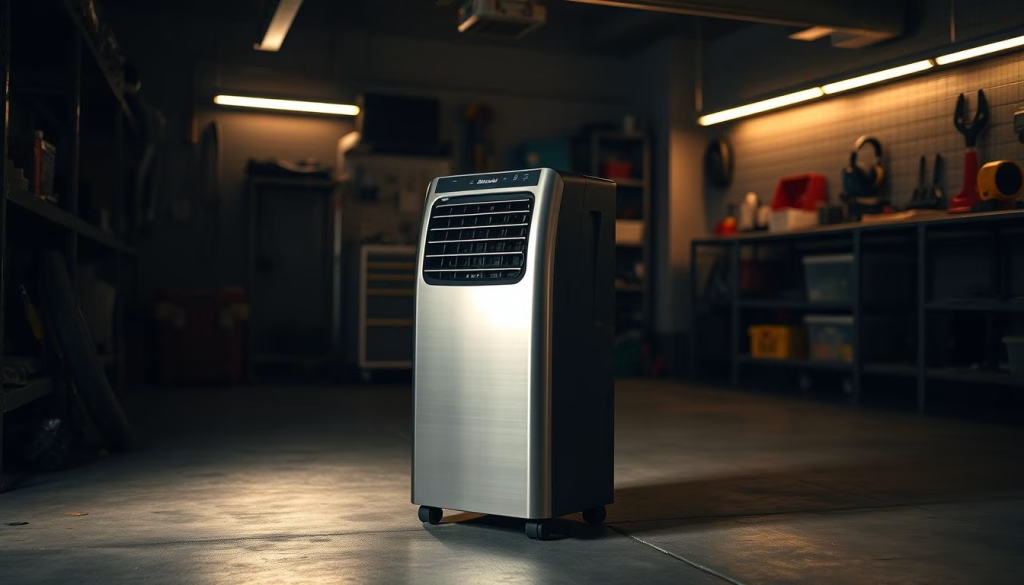
Garage cooling options are varied and may include portable air conditioning for garage use. Choosing between a portable air conditioner and fans requires understanding your garage’s specific size and cooling requirements.
Choosing the Right Portable Air Conditioner
When selecting a portable AC, consider the BTU (British Thermal Unit) rating. A typical two-car garage typically needs a unit with at least 10,000 BTUs for effective cooling. Portable air conditioning for garage settings provides flexibility in placement and often requires minimal installation effort. Ensure you check energy efficiency ratings to reduce long-term costs related to energy consumption.
Cost-Effective Fans vs. AC Units
While fans can circulate air effectively, evaluating fans versus air conditioning cost is crucial. Fans generally have lower initial costs and energy consumption compared to portable AC units. This makes them an attractive option for budget-conscious homeowners. Additionally, fans can provide comfort when temperature levels are not excessively high. Ultimately, the choice should reflect your climate control needs and budget.
| Item | Initial Cost | Energy Consumption | Effectiveness |
|---|---|---|---|
| Portable Air Conditioner | Higher | Higher | Very Effective |
| Fans | Lower | Lower | Moderately Effective |
Ventilation Improvements
Enhancing garage ventilation is crucial for a comfortable environment and preserving your belongings. Installing garage exhaust fans is a key strategy to boost airflow. These fans remove warm air, allowing cooler air to enter, thus reducing heat buildup. Additionally, roof vents can significantly improve ventilation by letting hot air escape and drawing in fresh air.
Installing Exhaust Fans
Garage exhaust fans are essential for removing stale air and humidity. When selecting fans, focus on models tailored for garages that can handle extreme temperatures. It’s important to place fans high on walls or ceilings to effectively remove hot air. Regular upkeep ensures they work optimally, providing consistent airflow.
Benefits of Using Roof Vents
Roof vents are effective due to their integration with natural airflow. They can be powered or passive, depending on your garage’s requirements. These vents ensure a continuous air flow, vital for better ventilation. Combining roof vents with exhaust fans creates a robust ventilation system. This not only controls temperature but also prevents moisture buildup, safeguarding your tools and equipment.
Temperature-Controlled Garage Doors
Installing temperature-controlled garage doors is a smart move to improve your garage’s climate. These doors come equipped with insulation technology. This technology helps keep your garage at a comfortable temperature. It’s a great way to meet homeowners’ needs for better temperature control.
Insulated Garage Doors
Insulated garage doors offer clear advantages. They block external heat from entering and keep cooler air inside. This technology acts as a shield against outdoor temperatures. As a result, your garage’s temperature becomes more manageable.
Many homeowners see a significant change in their garage’s temperature after installing these doors.
How They Help in Cooling
Using garage doors to cool your space can make a big difference. These doors reduce heat transfer, creating a stable climate inside. When combined with fans or insulation, they can lead to energy savings and increased comfort.
This combination is especially useful for garages used for various activities. It makes these doors a versatile choice for many families.
Maintenance to Keep Your Garage Cool
Regular maintenance is key to keeping your garage cool, especially in warmer months. Effective garage maintenance tips can greatly enhance your comfort while working or storing items. This includes organizing tools and clutter for better airflow and making repairs to block outside heat.
Regular Cleaning and Organizing
Organizing your garage is crucial for a cooler environment. Begin by removing items that trap heat. Cleaning regularly clears pathways and ventilation, allowing cooler air to flow. Use shelves and bins to arrange tools and equipment, reducing clutter and heat.
Sealing Cracks and Gaps
Sealing cracks to prevent heat entry is vital. Check your garage doors, windows, and walls for gaps. Weather stripping or caulk can seal these openings, enhancing insulation. This not only maintains the garage’s temperature but also boosts energy efficiency.
Energy Efficiency Tips
Improving energy efficiency in garages can greatly cut down cooling costs. Making a few simple changes can make your space more comfortable and save on energy bills. Two key strategies are using energy-efficient appliances and installing smart thermostats.
Using Energy-Efficient Appliances
Choosing energy-efficient appliances is vital for better garage energy efficiency. Opt for Energy Star-rated items like fans and portable air conditioners. These consume less power but still cool effectively, enhancing your workspace comfort.
Smart Thermostats for Climate Control
Smart thermostats in garages offer more advantages for energy management. They let you control the temperature from anywhere, ensuring cooling only when needed. This smart approach significantly boosts your garage’s energy efficiency.
Final Thoughts on Cooling Your Garage
Cooling a garage on a budget is not just possible; it’s crucial for homeowners aiming to improve their living space. By focusing on ventilation and insulation, you can significantly enhance the garage’s comfort. Additionally, using creative shading methods like trees or awnings can help keep it cooler. This summary of garage cooling tips shows how to turn an often-neglected area into a cozy space.
Investing in future garage upgrades will strengthen these efforts. As summer heats up, adopting effective cooling strategies will keep your garage comfortable and useful. Consider adding insulated doors and energy-efficient appliances. These not only improve comfort but also save money in the long run.
By mixing immediate, cost-effective solutions with plans for future enhancements, your garage can transform. It will shift from a hot storage area to a valuable, versatile space. Adopting these strategies will ensure your garage remains cool and inviting for years.